
The short answer
Scissors do not irritate a scalp. What does is everything around them: a neck strip pulled tight, a blade run dry against the skin, and product left behind.
If the irritation appears the same day, it is usually mechanical — tension, friction, a blade. If it appears the next day, it is usually chemical — shampoo, conditioner, styling product, or a scalp that was already dry before the cut.
Both are answered by changing one thing at a time, and neither is answered by a different haircut.
The four usual causes
The neck strip. A paper strip pulled tight enough to hold still presses on the same band of skin for the length of the cut. It leaves a red line and sometimes a small rash at the nape.
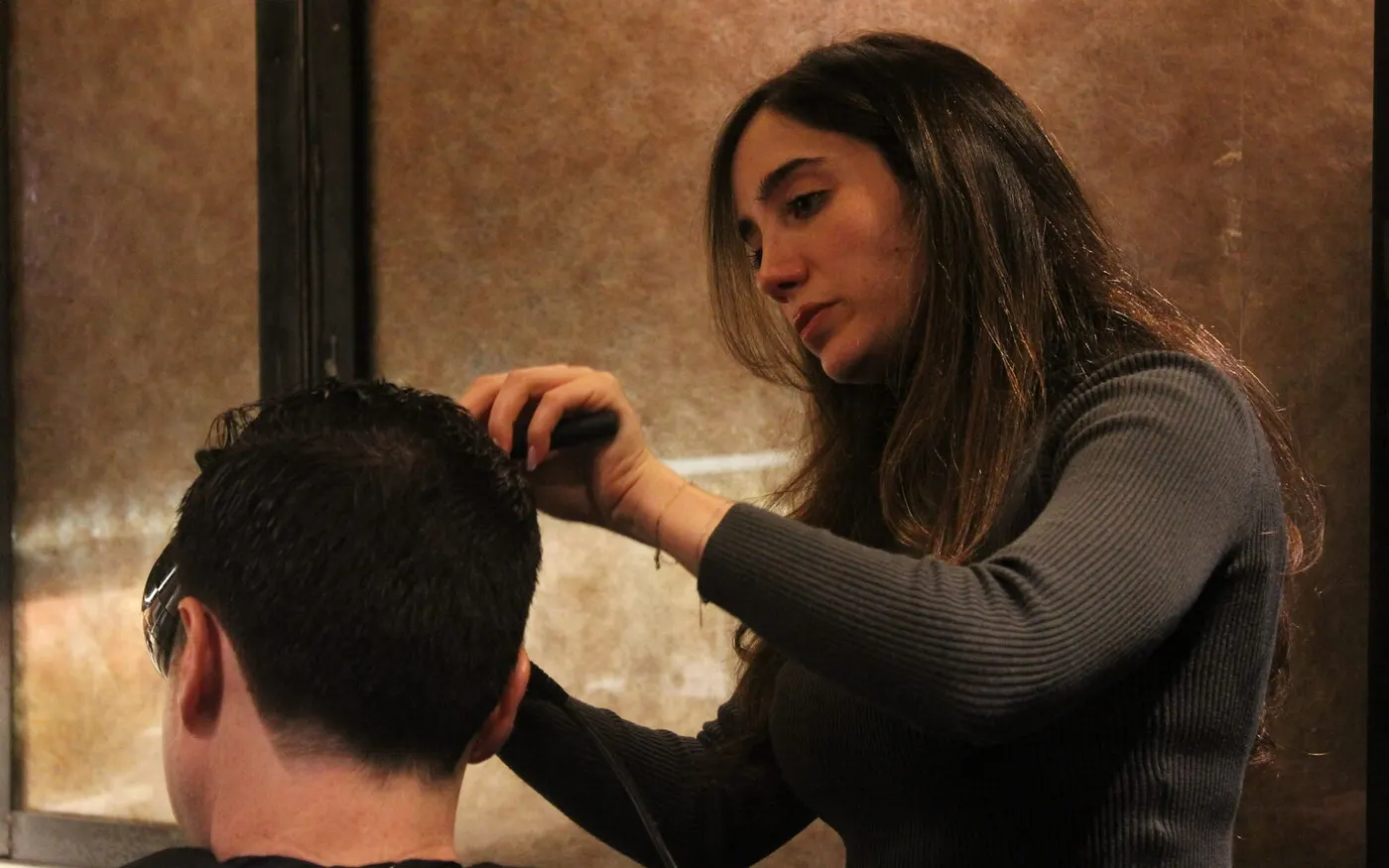
The blade. Clippers run against the skin, and a blade that is not oiled, or is warm, drags. On a fade or a short back, that is the most common source of same-day irritation.
Product residue. Shampoo and styling product that are not rinsed out completely sit on the scalp and itch by the next day, especially at the hairline where the skin is thinnest.
A scalp that was already dry. Flaking skin that was there before the appointment is not caused by the appointment — the cut just makes it visible and the shampoo makes it worse.
The timing
Same day is mechanical. Next day is residue. The two have different fixes.
Martial Vivot
What to change, in order
Change one thing at a time or you will not learn which one it was. Start with the shampoo: rinse longer than feels necessary, and stop applying conditioner at the scalp — mid-length to ends is enough.
Then the styling product. Water-based products rinse clean; anything waxy stays on the scalp until a shampoo removes it. If you use paste or pomade, wash it out the same night.
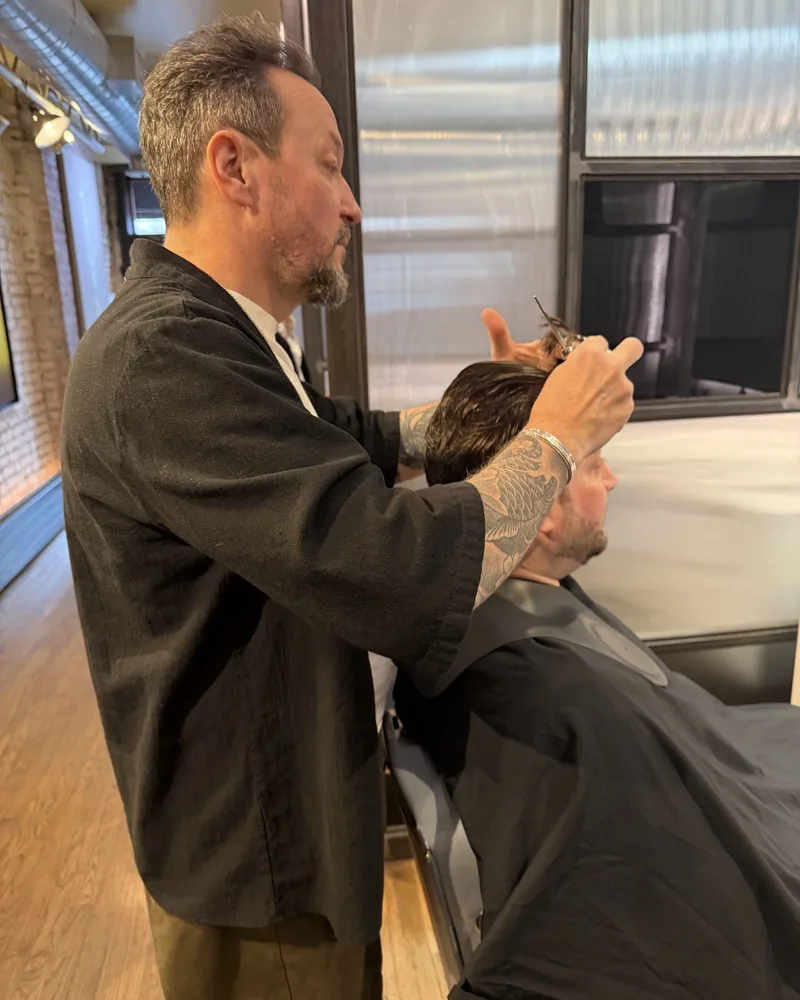
Then the cut itself. If the redness follows the clipper line, ask for the blade to be used with a guard and oiled, and for the neck strip to be sat looser. Both are reasonable things to ask for, and neither changes the result.
When it is a doctor’s call
If it is red, raised, bleeding or spreading — or if hair is coming out in patches rather than thinning evenly — that is a dermatologist’s appointment, not a salon one. We will say so rather than sell you a treatment for it.
What the salon can do is the scalp-care side: a scalp massage to clear dead skin and improve circulation, and an anti-dandruff treatment when the flaking is the ordinary kind.
The two scalp services
Questions
Why does my scalp itch after a haircut?
Usually residue. Shampoo and styling product left on the scalp itch by the next day, especially at the hairline where the skin is thinnest. If the itch is the same day and follows the clipper line, it is friction or a blade rather than product.
Can a haircut cause dandruff?
No — dandruff is a scalp condition that was already there. A cut can make existing flaking visible by shortening the hair around it, and a shampoo can make it worse by drying the scalp, but it does not create it.
Should I wash my hair after a haircut?
Rinse, and rinse longer than you think. If you use a waxy product, wash it out the same night. If the scalp is sensitive, use a shampoo without a strong fragrance for the first few days.
Is a scalp massage good for an irritated scalp?
For a dry or tight scalp, yes. For one that is red, raised or broken, no — wait until it has settled. A massage moves skin, and moving skin that is already inflamed makes it worse.
When should I see a dermatologist?
If the irritation is raised, bleeding, spreading, or comes with patches of hair loss. Thinning hair and patchy loss are medical questions; the salon does not treat them, and a good barber will tell you that before taking your money.
Book
Choose your salon to book online.